Build Types
Other materials
Builds in resin, metal, card, wood and 3D prints: the materials that fall outside plastic kits, minis, bricks and terrain.
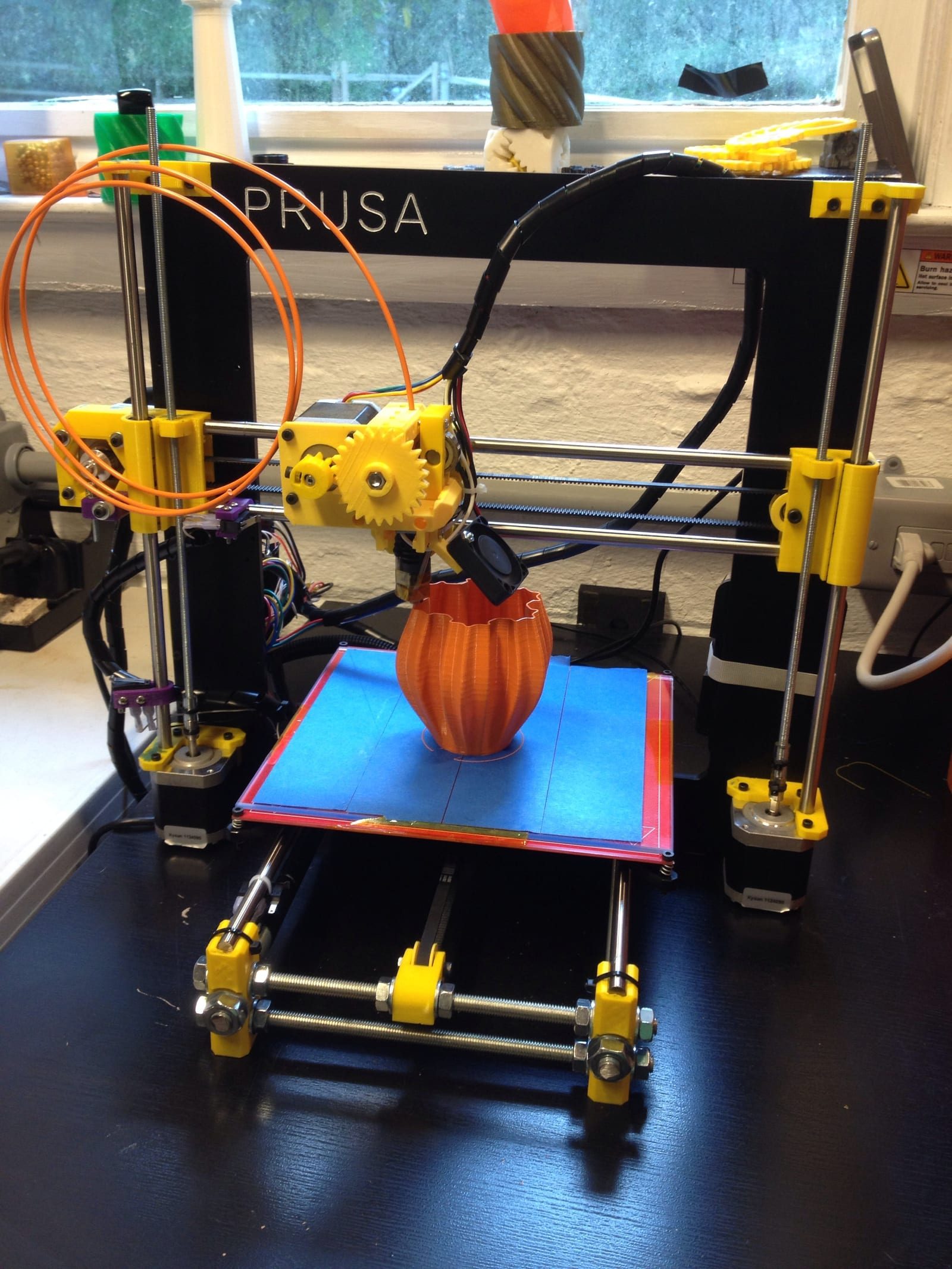
What you need
- A dust mask or NIOSH-rated particulate respirator, for sanding cured cast resin
- Nitrile gloves, for handling uncured 3D-print resin and cleaning solvents
- A hobby knife and files suited to the material: wire cutters for metal, a steel rule and knife for card, fine saws for wood
- Isopropyl alcohol (IPA), for washing uncured resin off a 3D print before curing, following the resin maker’s own wash instructions
- Superglue (CA) or epoxy, since many of these materials do not take plastic cement
First project
A small single-piece resin or 3D-printed model, so you can learn the extra washing, curing and ventilation steps this material group needs before anything larger.
Common mistakes
- Sanding cured cast resin dry rather than wet, without a dust mask: the dust is the hazard, not the cured part itself
- Handling uncured 3D-print resin bare-handed: it is a skin sensitiser, so repeated contact can build into an allergic reaction over time
- Treating a 3D print as safe to handle freely as soon as it looks solid: acrylate resins are inert once fully cured, but a part that is not fully cured yet can still cause a skin reaction
- Using IPA near an open flame, spark or hot surface, since it is flammable
- Gluing metal or card parts with plastic cement, which will not bond either material
Handling it safely
Cast (polyurethane) resin: the dust is the hazard
A cured polyurethane casting is inert to handle, but sanding or machining it throws up fine dust. Smooth-On’s own product guidance for a widely used casting resin says to wear a dust mask when machining or sanding, and to work in a well-ventilated area. Wet-sanding with wet-or-dry paper keeps the dust down in the first place.
Fresh mould-release residue on a casting is a separate issue from dust: wash it off before priming, following the mould release maker’s instructions, so paint and glue key properly.
Uncured 3D-print resin: treat it as a skin sensitiser
Liquid photopolymer resin is a sensitiser, not a simple irritant: Formlabs’ own safety guidance explains that an early exposure can prime the immune system so a later one produces a stronger reaction, and recommends wearing gloves whenever handling liquid resin or an unwashed print. Elegoo’s product safety information for its photopolymer resins states plainly that they can cause skin irritation and an allergic skin reaction, and to wash exposed skin with soap and water.
Thin single-use kitchen nitrile gloves are not a given here either; check the fit and change gloves if a resin maker’s guidance calls for it. Wash a print in IPA (or the resin maker’s specified wash) following that maker’s own instructions, since wash times and compatible solvents vary by resin.
A print that looks solid is not necessarily safe to handle freely: Formlabs notes that these resins are inert once fully polymerised, but an incompletely cured part can still cause a reaction, so cure fully before extended handling.
Isopropyl alcohol: flammable, with a low flash point
Isopropyl alcohol is a flammable liquid with a flash point of 22.2°C (72°F) closed cup, per the Sigma-Aldrich safety data sheet for isopropanol, so keep it away from heat, sparks, open flames and hot surfaces, use only non-sparking tools near it, and work only outdoors or in a well-ventilated area.